
Can Poor Sleep Wreck Your Teeth? Dentists Say Yes, Heres How
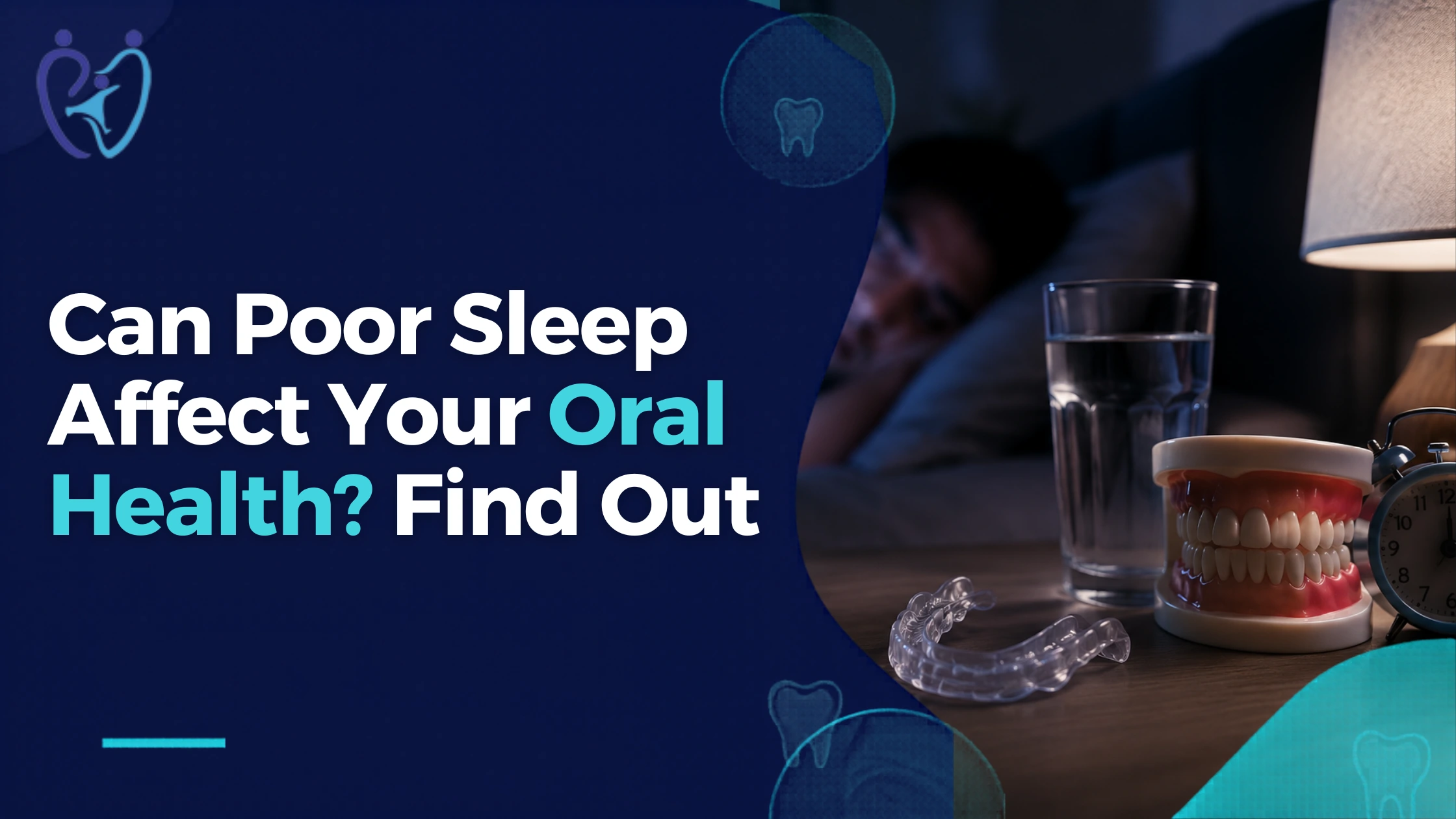
Nobody connects their 2 AM scrolling habit to a cracked molar. But they probably should.
Sleep and oral health aren't subjects most people put in the same sentence. And that gap in thinking is exactly where a lot of preventable damage gets done. Patients at a kharghar dentist clinic often arrive with wear patterns, inflamed gums, or chronic sensitivity, and when the questions go deeper, poor sleep keeps coming up. Not always. But often enough that it's worth understanding.
Your Mouth Runs On Saliva. Sleep Shortage Drains It.
Here's something most people don't know: saliva doesn't just help you chew. It's actively protective. It neutralises the acid that forms after eating, remineralises enamel at the microscopic level, and keeps decay-causing bacteria from getting a foothold.
When sleep drops below what the body needs, and for most adults that's somewhere between seven and eight hours, hormonal regulation goes off. Saliva flow decreases. The mouth gets drier than it should be. Bacteria that would normally get washed away settle in instead.
Do this for a few weeks and it's manageable. Do it for months or years and the enamel shows it.
Teeth Grinding Happens Mostly At Night. Most People Don't Know They Do It.
Bruxism. That's the clinical word for grinding or clenching the teeth during sleep. It's underdiagnosed not because it's rare but because it's quiet. You're asleep. Nobody tells you. You wake up and your jaw feels tight, or you have a dull headache, and you figure you just slept awkwardly.
Meanwhile, the biting surfaces of your back teeth are slowly flattening.
Poor sleep quality is a direct trigger. So is unmanaged stress, which is almost always worse when sleep is disrupted. The body tenses. The jaw follows. Night after night, the pressure on the enamel adds up to damage that shows up in an X-ray years before it shows up as pain.
What grinding does over time:
- Flattens and chips the biting surfaces of molars
- Cracks enamel in ways that don't always show symptoms until they worsen
- Causes jaw soreness that gets misread as a tension headache
- Exposes dentine, which has no protective layer and decays much faster than enamel
- Accelerates gum recession on the affected teeth
A night guard from a kharghar dentist doesn't fix the grinding. It absorbs the force so the teeth don't have to. Simple and effective, and considerably cheaper than fixing a fractured molar down the line.
Mouth Breathing At Night Does Its Own Kind Of Damage
When the nose is blocked, allergies, a deviated septum, general congestion, the mouth takes over during sleep. Most people who do this don't realise it. The signs are a persistently dry mouth in the morning, bad breath that doesn't clear up quickly after brushing, and sometimes a sore throat on waking.
The dental consequence is straightforward. Saliva evaporates when the mouth is open. Enamel loses its buffer. Acid from whatever was last eaten sits on the teeth without anything to counter it.
Done occasionally this is fine. Done every night for years, chronic mouth breathing quietly accelerates decay and gum inflammation in ways that look, on the surface, like inadequate brushing. Dentists who examine wear and dryness patterns can usually tell the difference.
The Loop That Nobody Explains
Here's what makes this genuinely frustrating: the damage runs in both directions.
Poor sleep harms oral health. But oral health problems, untreated gum disease, a painful tooth, poorly aligned bite, also disrupt sleep. Inflammation from gum disease raises low-grade body-wide inflammation that interferes with sleep quality. Sleep apnoea, where the airway partially collapses during sleep, is connected to jaw position and tongue posture. Chronic jaw pain from bruxism wakes people up at night without them realising why.
So you sleep badly, your gums suffer, your gums hurt, you sleep worse. That loop is real, and it doesn't break without addressing both sides.
A routine check-up with a kharghar dentist who actually looks at wear patterns, gum condition, and bite alignment can surface this connection. It's not complicated to treat. It just has to be found first.
Conclusion
You don't need a diagnosis to start noticing:
- Jaw soreness or tightness that's worse in the morning than in the evening
- Flat, worn-down surfaces on the back teeth
- Teeth that feel sensitive without any obvious dietary cause
- Waking up with a dry mouth despite drinking water before bed
- Gum issues that keep coming back despite consistent brushing
None of these confirm anything alone. But several together, especially with disrupted sleep, is worth mentioning at your next dental visit. Most dentists will know exactly what you're describing.
The connection between sleep and oral health doesn't get as much attention as diet or brushing. It probably should. Your mouth is doing something for eight hours every night, the question is what, and whether your body's support systems are keeping up.
Dr. Pol's Dental Clinic is a trusted kharghar dentist in Navi Mumbai, offering thorough check-ups that include assessment of wear patterns, gum health, and bite alignment. Call +91-9987935958 or message on WhatsApp to book your appointment.
FAQs
1. Can poor sleep really affect my oral health?
Yes. Poor sleep can contribute to reduced saliva production, teeth grinding (bruxism), dry mouth, and increased bacterial growth, all of which may raise the risk of cavities, enamel wear, gum problems, and tooth sensitivity over time.
2. What are the signs that I might be grinding my teeth at night?
Common signs include waking with jaw pain or stiffness, morning headaches, flattened or chipped teeth, increased tooth sensitivity, and unexplained wear on the biting surfaces of the teeth. A dentist can identify these signs during a routine examination.
3. Why is a dry mouth during sleep a concern?
Saliva helps protect teeth by washing away food particles, neutralising acids, and supporting enamel repair. A persistently dry mouth, often caused by poor sleep or mouth breathing, reduces these protective effects and can increase the risk of tooth decay and gum disease.
4. Can mouth breathing while sleeping damage my teeth?
Yes. Regular mouth breathing can dry out the mouth, allowing plaque and bacteria to build up more easily. Over time, this may contribute to enamel erosion, bad breath, gum inflammation, and a higher risk of cavities.
5. When should I see a dentist about sleep-related dental problems?
If you regularly wake with jaw soreness, morning headaches, dry mouth, tooth sensitivity, or notice worn or chipped teeth, it is worth scheduling a dental check-up. Early assessment can help identify issues such as teeth grinding or bite problems before they lead to more extensive treatment.
