
Is Something Wrong With Your Dental Implant? 6 Warning Signs You Shouldn’t Ignore
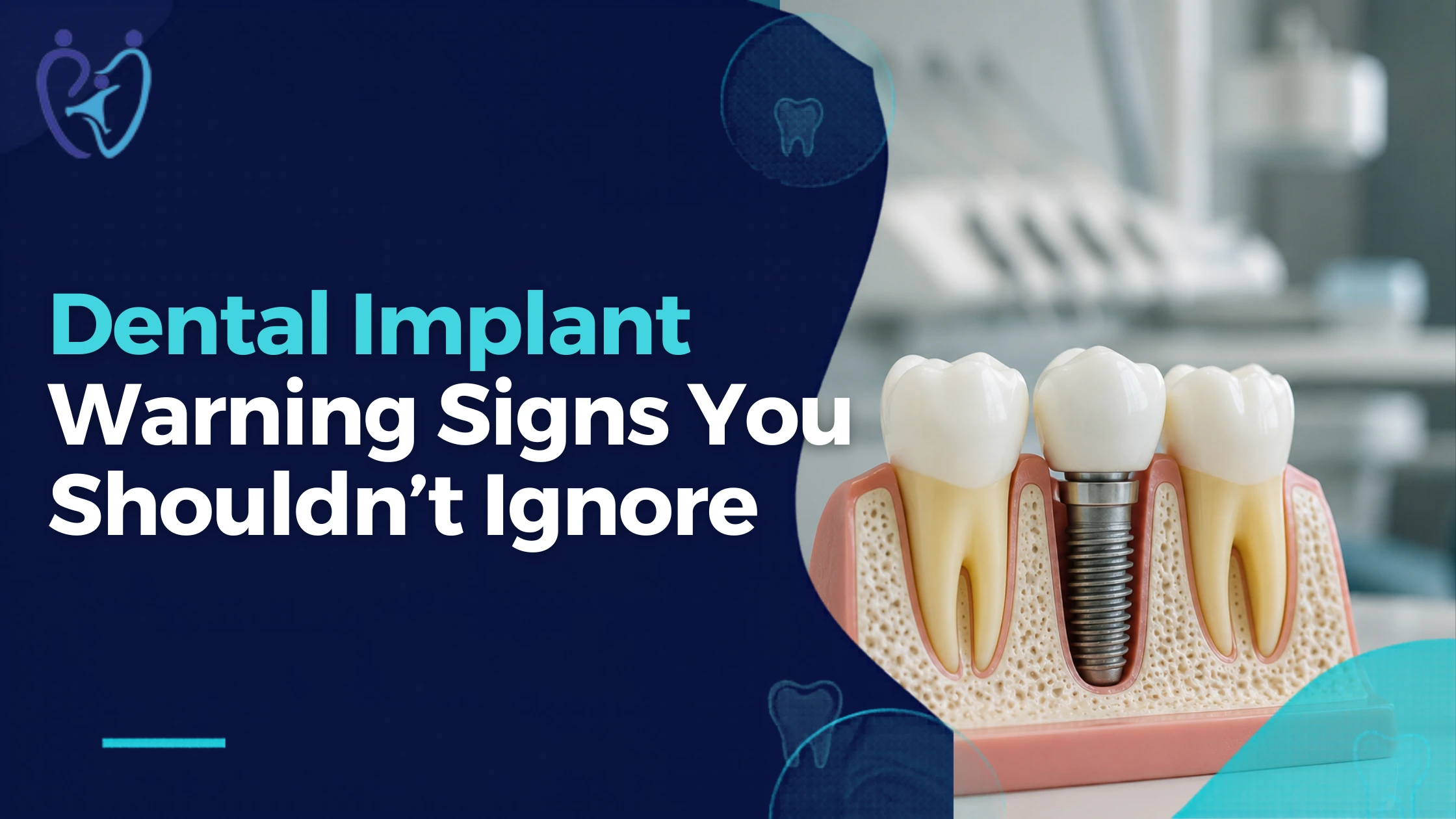
A dental implant should feel stable and comfortable once healing is complete. That does not mean every unusual sensation signals a serious problem, though. Mild soreness can be expected soon after treatment, while persistent pain, movement or swelling deserves a different level of attention.
Problems with dental implants are easier to manage when they are picked up early. If something around the implant suddenly feels different, waiting for it to "settle on its own" is not always the best approach.
Here are six signs worth taking seriously.
1. Pain That Is Getting Worse Instead Of Better
Some discomfort after implant placement is normal. In the first few days, the area may feel tender and slightly sore as the tissues recover.
What matters is the direction the pain is taking.
If discomfort gradually reduces, healing may be progressing normally. Pain that becomes stronger, returns after previously improving or persists well beyond the expected healing period should be assessed.
This can happen for different reasons, including inflammation, infection or stress around the implant. Pain alone cannot tell you which one is responsible.
Anyone searching for dental implants nearby because of ongoing implant pain should ideally have the existing implant examined rather than simply seeking pain relief.
2. The Implant Or Replacement Tooth Feels Loose
A properly integrated implant should not move inside the jaw.
Sometimes, however, what feels loose may be the crown or another component attached to the implant rather than the implant itself. That distinction matters because the treatment can be quite different.
Do not repeatedly push the tooth with your tongue or fingers to "test" it. If you notice movement while chewing or brushing, get it checked.
Actual implant mobility needs prompt dental attention.
3. Swelling That Doesn't Settle
Swelling after implant surgery is expected to some extent, particularly during the early healing period. It should usually reduce rather than keep increasing.
Be more cautious when swelling:
- Gets worse after initially improving
- Appears long after the implant has healed
- Is accompanied by increasing pain
- Comes with pus or an unpleasant taste
- Makes chewing uncomfortable
Persistent inflammation around dental implants may indicate a problem with the surrounding tissues, and delaying assessment can allow it to progress.
4. Your Gums Keep Bleeding Around The Implant
Occasional bleeding from aggressive brushing is one thing. Gums that regularly bleed around an implant, especially with redness or swelling, deserve attention.
Inflammation can develop in the soft tissues surrounding an implant when plaque accumulates. If it remains unmanaged, deeper tissues and supporting bone can become involved.
This is one reason implant maintenance matters even years after treatment.
An implant cannot develop tooth decay like a natural tooth, but the gum and bone holding it in place still need regular care.
5. Chewing Suddenly Feels Different
Pay attention to changes in your bite.
Perhaps the implant crown suddenly feels higher than the surrounding teeth. Maybe chewing on that side becomes uncomfortable, or you notice pressure where there was none before.
Changes like these can occur if a component loosens, the restoration becomes damaged or the forces on the implant have changed.
People looking for dental implants nearby sometimes focus mainly on placement. Long-term follow-up is just as important, particularly when the bite begins to feel different.
Do not compensate by permanently chewing on the other side. Have the reason checked.
6. You Notice Pus, Bad Taste Or Persistent Bad Breath
This one should not be brushed aside.
Pus around an implant, a recurring unpleasant taste or bad breath concentrated around the implant area may suggest infection or significant inflammation.
Some people assume a serious implant problem will always cause intense pain. That is not necessarily the case. Gum and bone problems can sometimes develop with surprisingly little discomfort at first.
If discharge is present, arrange a dental examination promptly.
What Should You Do If You Notice One Of These Signs?
First, do not attempt to tighten, move or clean underneath implant components with sharp objects.
Continue gentle oral hygiene unless your dentist has advised otherwise. Keep the surrounding area clean and note when the symptoms started. If there is pain, swelling, bleeding or movement, explain exactly what has changed when you book the appointment.
A dentist may need to examine the gums, restoration, bite and stability of the implant. Imaging may also be considered depending on the concern.
Not every warning sign means the implant has failed. A loose crown, early gum inflammation or another manageable issue can sometimes cause similar symptoms. The important part is finding out what is happening before the problem becomes harder to treat.
Conclusion
Most successful dental implants should feel uneventful in day-to-day life. If pain, swelling, movement or bleeding becomes a regular feature, that is a reason to have the area assessed rather than simply adapting to it.
Dr. Pol's Dental Clinic provides dental implant care in Kharghar. If you are experiencing a problem with an existing implant or researching dental implants nearby, the clinic can assess the area and discuss the next appropriate step based on its condition.
FAQs
1. Is mild pain around a dental implant normal?
Mild soreness can occur soon after implant placement. Pain that increases, returns after improving or persists for an unusually long time should be examined.
2. Can a dental implant become loose years later?
Yes, although the sensation of looseness may sometimes come from the crown or another implant component. A dentist needs to determine exactly what is moving.
3. Why are my gums bleeding around my implant?
Plaque-related gum inflammation is one possible reason. Repeated bleeding, swelling or redness around an implant should not be ignored.
4. Can an implant problem happen without severe pain?
Yes. Some gum and bone problems around implants may develop without intense pain initially, which is why bleeding, discharge or mobility also matter.
5. When should I see a dentist about my implant?
Seek assessment if you notice persistent pain, swelling, movement, pus, bleeding or a change in your bite. Early evaluation can help identify whether the issue involves the restoration, gums, bone or the implant itself.
