
Dental Implants and Diabetes: Are Implants Safe for Diabetic Patients?
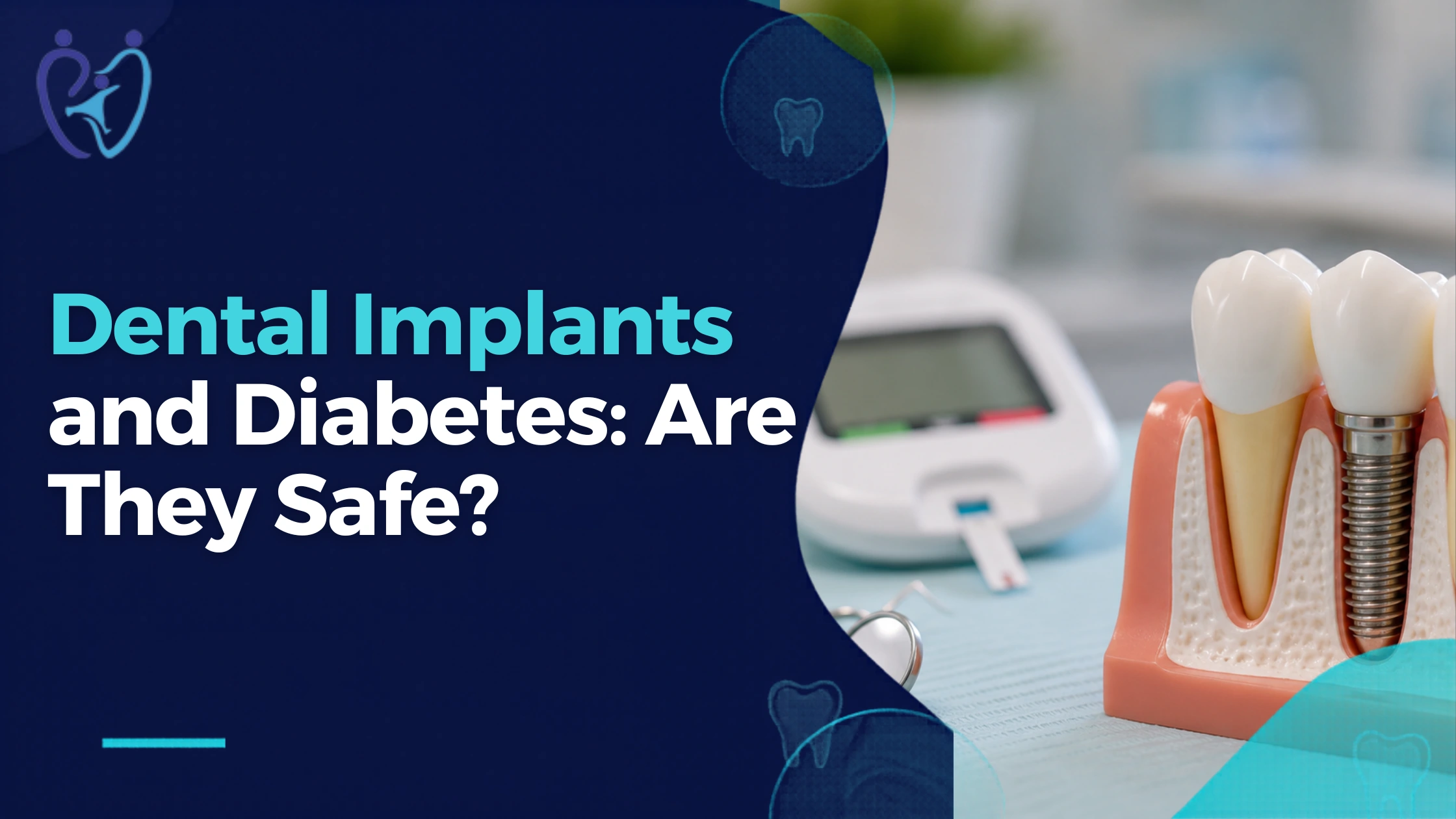
Diabetes can make people hesitate before considering dental treatment, especially something surgical like an implant. The concern is understandable. Diabetes can affect healing and the body's response to infection, but having diabetes does not automatically rule out dental implants.
What matters more is how well the condition is controlled, the health of the gums and jawbone, oral hygiene, and the person's overall medical status. Someone searching for dental implants nearby should expect a proper assessment rather than a simple yes or no answer based only on a diabetes diagnosis.
Why Diabetes Matters During Implant Treatment
A dental implant is placed into the jawbone, where it needs time to become stable and integrate with the surrounding bone. Healing is therefore an important part of the process.
When blood glucose remains poorly controlled, wound healing may be slower. The body's ability to respond to infection can also be affected. In the mouth, that matters because the tissues around an implant need to remain healthy during healing and afterwards.
This does not mean every person with diabetes will have problems. A patient with well-managed diabetes may have a very different risk profile from someone whose blood sugar frequently remains outside the recommended range.
That distinction matters.
Controlled Diabetes Changes The Conversation
If diabetes is under reasonable medical control, implant treatment may still be considered after assessing the individual patient.
Before recommending dental implants, the dentist may want to understand:
- How well the diabetes is currently controlled
- Whether there is active gum disease
- The amount and quality of available jawbone
- The patient's oral hygiene
- Smoking history, if applicable
- Other medical conditions or medicines that could affect healing
In some situations, the dentist may also advise the patient to speak with their treating physician before surgery.
The aim is not to make implant treatment unnecessarily complicated. It is to identify factors that could interfere with healing before the procedure begins.
Gum Health Deserves Extra Attention
Implants cannot develop cavities, but the tissues around them can still become inflamed or infected.
For a person with diabetes, this is an especially important part of long-term care. Diabetes and gum disease can influence each other, and uncontrolled inflammation around an implant can eventually threaten the supporting bone.
If the gums are bleeding, swollen or affected by periodontal disease, those problems may need attention before implant placement.
Good implant planning therefore starts well before the implant itself.
Patients comparing dental implants nearby should look beyond the replacement tooth and think about the health of the entire mouth.
Healing May Need Closer Monitoring
Implant treatment does not end on the day of surgery.
After placement, the implant needs time to heal within the jaw. A dentist may schedule follow-up visits to check the surgical site, assess healing and make sure there are no signs of infection or unusual inflammation.
People with diabetes should be particularly careful about changes such as:
- Persistent swelling
- Increasing pain after the initial healing period
- Bleeding that does not settle
- Pus or an unpleasant taste around the implant area
- Loosening or movement around the implant
- Gum inflammation that keeps returning
These symptoms should not be ignored in any implant patient.
Can High Blood Sugar Increase Implant Risks?
Poorly controlled blood glucose can make implant treatment less predictable.
Slower wound healing may give bacteria more opportunity to cause problems, while prolonged inflammation can interfere with tissue recovery. This is why a dentist may recommend improving diabetic control before proceeding with elective implant surgery.
It is also why two people with diabetes should not assume they will receive identical treatment advice.
One may be ready for dental implants after routine assessment. Another may benefit from delaying treatment while medical or oral health issues are brought under better control.
Daily Care Matters After The Implant Is Placed
Successful implant treatment depends heavily on what happens after the procedure.
Once the area has healed, patients still need consistent plaque control around the implant and neighbouring teeth. That usually means careful brushing, cleaning between the teeth and attending dental reviews at the intervals recommended for them.
If you have diabetes, don't wait for pain before having the implant checked. Early gum inflammation is often easier to manage than a problem that has already affected the supporting tissues.
Searching for dental implants nearby is only the first step. Long-term maintenance is just as important as the placement itself.
Diabetes Does Not Automatically Mean No Implants
For many people, the answer is not "diabetes versus implants". The more useful question is whether diabetes, gum health and the rest of the mouth are stable enough for treatment at that particular time.
Dr. Pol's Dental Clinic provides dental implant care in Kharghar. Patients with diabetes who are considering tooth replacement can visit the clinic for an individual assessment and discussion about whether implant treatment is suitable for their dental and medical circumstances.
FAQs
1. Can a diabetic patient get dental implants?
Yes, some patients with diabetes may be suitable for implant treatment. The dentist will consider blood sugar control, gum health, bone condition and other medical factors before recommending treatment.
2. Is implant failure more likely in people with diabetes?
Risk can be higher when diabetes is poorly controlled because healing and infection control may be affected. Well-managed diabetes does not automatically prevent successful implant treatment.
3. Should I check my blood sugar before implant surgery?
Your dentist may want information about how well your diabetes is controlled and may recommend coordinating with your doctor when necessary before proceeding with dental implants.
4. Do diabetic patients take longer to heal after implants?
Some may experience slower healing, particularly when blood glucose is not well controlled. Healing varies between individuals, so follow-up is important.
5. What should I ask when looking for dental implants near me?
When researching dental implants nearby, ask whether your gum health, bone condition and diabetes control have been assessed before treatment is planned.
