
Modak Season Is Here: How Often Can Kids Eat Sweets Without Constantly Feeding Cavities?
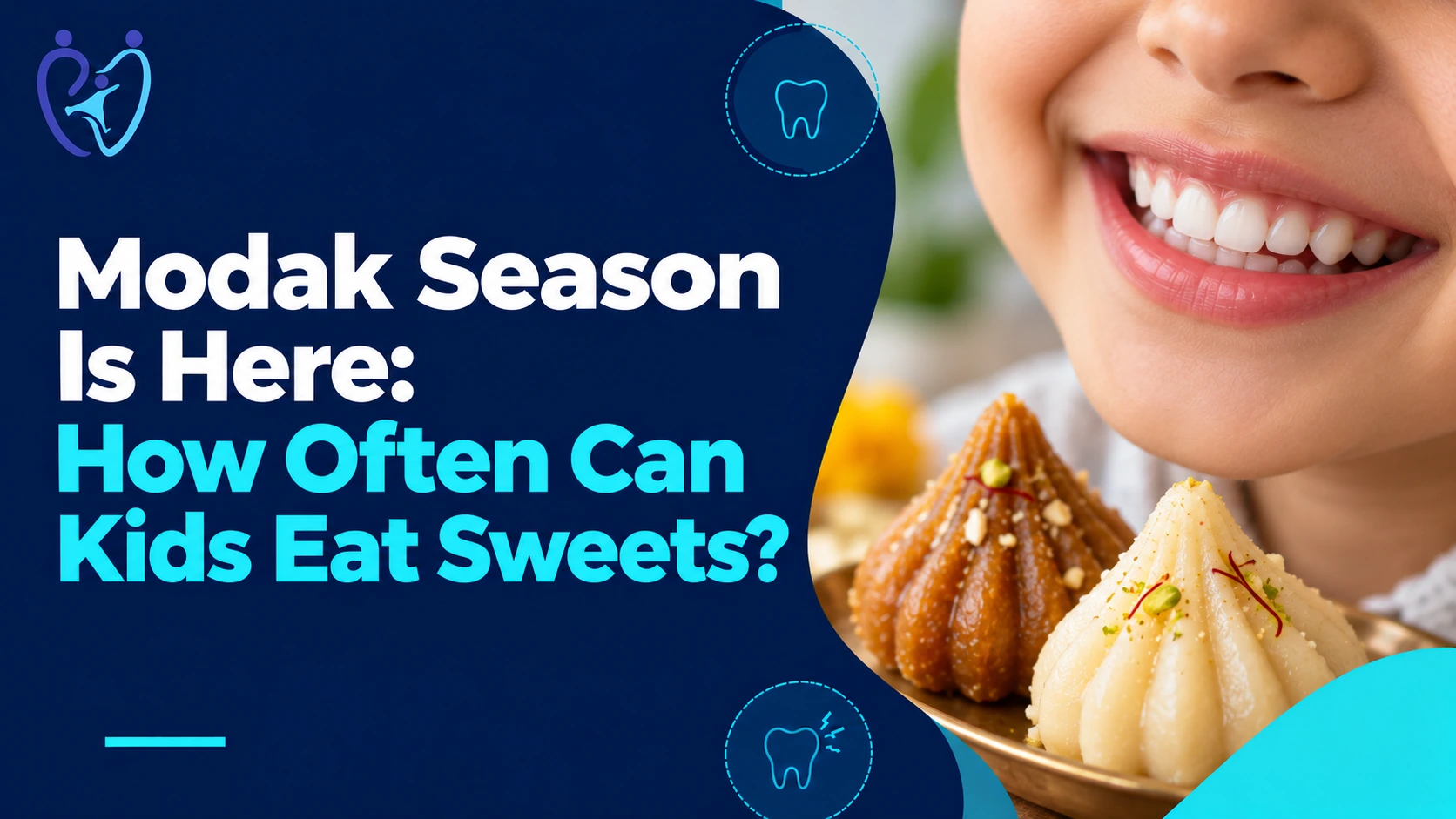
Many children look forward to celebrating with modaks and festive sweets. Parents don't necessarily have to eliminate sweets to save their child's teeth. However, more important is the frequency of children consuming sugary foods, the time of day that they are consumed and what occurs as a result. A pediatric dentist in Kharghar can also guide parents about their child's personal cavity risk and develop better day-to-day oral hygiene practices.
The goal is not to frighten kids off sweets. This means making festive treats a part of the day, and not something they are eating throughout the day.
Why Does the Frequency of Eating Sweets Matter?
Every time a child eats something containing sugar, bacteria in the mouth can use that sugar and produce acids. These acids can affect the protective outer surface of the teeth.
Saliva naturally helps the mouth recover between eating occasions. The problem is that frequent snacking can mean the teeth have fewer breaks between repeated exposures.
Consider two different patterns:
| Eating pattern | What happens during the day |
|---|---|
| A child has a modak after lunch | One defined sweet-eating occasion |
| A child takes small bites of sweets throughout the afternoon | Teeth are exposed repeatedly |
| Sweets are eaten with a main meal | Easier to keep treats within a routine |
| Sweets are available for unrestricted snacking | More frequent exposure may occur |
This is why the question is not as straightforward as, "how many sweets has my child eaten?".
Parents should also inquire, "How many times did their children come into contact with sugary foods today?
Is It Better to Give Children Sweets With Meals?
When sweets are being offered, keeping them around regular mealtimes can be a practical approach.
Instead of giving a child a modak, chocolate or another sweet every couple of hours, parents can make it part of lunch or another planned eating occasion.
This creates clearer gaps between meals and snacks.
A simple festive routine might look like this:
- Serve the regular meal.
- Offer the chosen sweet as part of or shortly after the meal.
- Avoid leaving an open box of sweets available for continuous snacking.
- Encourage water afterwards.
- Return to the child's normal oral hygiene routine.
This does not make sugar harmless. It simply helps reduce the habit of repeatedly exposing teeth to sugary foods throughout the day.
The Bigger Problem May Be Grazing, Not the Celebration Itself
During festivals, sweets often remain on dining tables, kitchen counters or in gift boxes around the house.
A child may take one small piece now, another half an hour later and another after playing.
Because the portions seem small, parents may not think much of it.
But from a dental-care perspective, repeated snacking deserves attention.
This can happen with more than traditional sweets. Biscuits, sweetened snacks, desserts and sugary drinks can all add to the number of eating occasions during the day.
Rather than counting every gram of sugar, parents can focus on a simpler rule:
Create clear eating times and clear breaks between them.
That approach is often easier for families to follow during busy festive days.
What About Sticky Sweets?
Texture matters too.
Some foods can remain around the teeth longer than foods that clear from the mouth more easily. Sticky sweets may settle into grooves or around areas that are difficult for younger children to clean properly.
That does not mean a particular festive food needs to be completely banned.
Instead, pay attention to what happens after eating it.
Children can:
- drink plain water after eating;
- avoid carrying the same sweet around and eating it slowly for a long period;
- maintain their normal brushing routine;
- get help from an adult with brushing if they are not yet able to clean thoroughly themselves.
A kids dentist may also identify areas where plaque is accumulating and show parents where a child's everyday cleaning needs more attention.
Five Practical Rules for Festive Sweet Days
Festivals should still feel like festivals. A few simple boundaries can make dental care easier without turning every sweet into an argument.
1. Decide when sweets will be eaten
Instead of allowing unrestricted access throughout the day, choose specific times when children can enjoy them.
2. Avoid using sweets as constant rewards
If sweets are repeatedly offered for finishing homework, behaving well, visiting relatives or completing small tasks, the number of sugary eating occasions can quickly increase.
3. Make water the regular drink
Plain water is a straightforward choice after eating and throughout the day.
4. Do not let the bedtime routine disappear
Late celebrations, visitors and family events can disrupt children's normal schedules. Brushing should not become optional simply because everyone is tired.
5. Keep normal meals in the picture
Children should not spend the entire day replacing regular meals with sweets and snack foods. Maintaining normal mealtimes makes it easier to keep treats within defined occasions.
What Should Parents Avoid Doing?
Being concerned about cavities does not mean parents need to make sweets frightening or forbidden.
Some approaches can make festive dental care unnecessarily stressful.
Try to avoid:
- repeatedly warning children that every sweet will "damage" their teeth;
- suddenly banning all festive foods when the child sees everyone else eating them;
- allowing unlimited sweets and trying to compensate with extra brushing later;
- letting children fall asleep without following their usual oral hygiene routine;
- assuming that small portions eaten repeatedly throughout the day do not matter.
A balanced routine is usually more realistic than trying to create a perfectly sugar-free celebration.
Does Good Brushing Cancel Out Frequent Sweet Eating?
Not completely.
Brushing is an essential part of children's oral hygiene, but it should not be viewed as permission for continuous sugary snacking.
Think of dental care as several habits working together:
Eating pattern + regular brushing + appropriate supervision + routine dental checks.
Parents of younger children may also need to supervise brushing because a child can appear to brush independently while still missing certain areas.
If you regularly notice food or plaque collecting around particular teeth, it is worth paying closer attention to those areas rather than simply asking the child to brush for longer.
Some Children May Need More Attention Than Others
Two children can have similar diets and still have different dental experiences.
A child's previous cavity history, brushing habits, tooth development, diet and several other factors can affect their dental needs.
Parents should pay particular attention if they notice:
- visible spots or changes on a tooth;
- complaints of tooth sensitivity or discomfort;
- food repeatedly getting caught around a tooth;
- difficulty brushing certain areas;
- pain while chewing;
- a previous history of cavities.
These signs do not tell parents exactly what the problem is. They do, however, give a good reason to arrange a professional dental assessment rather than waiting for the problem to become painful.
After the Modaks Are Finished
The most useful festive dental habit is one that can continue after the celebrations end.
At Dr. Pol's Dental Clinic, we understand that parents want their children to enjoy festivals without making every treat a source of worry. We help families understand their child's oral health, recognise areas that may need attention and develop practical habits that work in everyday family life.
If you are concerned about frequent cavities, changes in your child's teeth or their eating and brushing habits, our team can assess their dental health and provide guidance based on what we actually see rather than asking you to simply eliminate every sweet they enjoy.
Let your child enjoy the modaks. We'll help you protect their teeth.
Book Appointment or WhatsApp Us at Dr. Pol's Dental Clinic, Kharghar.
Frequently Asked Questions
1. Can children eat modaks during the festive season?
Yes. Parents do not necessarily have to completely remove festive sweets from a child's diet. It is sensible to pay attention to how frequently sweets are being eaten and to maintain normal oral hygiene habits.
2. Is eating several sweets at once better than eating them throughout the day?
The important issue is repeated exposure. Continually grazing on sugary foods creates multiple eating occasions, so keeping sweets within defined meal or snack times can be a more practical approach than allowing children to nibble throughout the day.
3. Should children brush immediately every time they eat something sweet?
Children do not need to turn every sweet into a separate brushing session. Focus on maintaining their regular brushing routine, reducing frequent sugary snacking and encouraging water after eating. Your child's dentist can advise if their individual dental needs require additional care.
4. What should I do if my child already gets cavities frequently?
Do not assume that sweets are the only possible factor. A pediatric dentist in Kharghar can assess the child's teeth, oral hygiene, eating habits and cavity history and explain which areas may need more attention.
5. Are sticky sweets worse for children's teeth?
Sticky foods can remain around the teeth and in difficult-to-clean areas for longer. Rather than relying only on whether a sweet is "good" or "bad", parents should consider its texture, how frequently it is eaten and how well the child's teeth are being cleaned.
6. When should I take my child to a dentist instead of waiting?
Arrange a dental assessment if your child complains of pain, sensitivity or discomfort while eating, or if you notice visible changes in a tooth. Regular dental visits can also help identify concerns before a child begins complaining about them.
