
Pediatric Dental Care Is Moving Beyond Cavities: What Parents Should Know
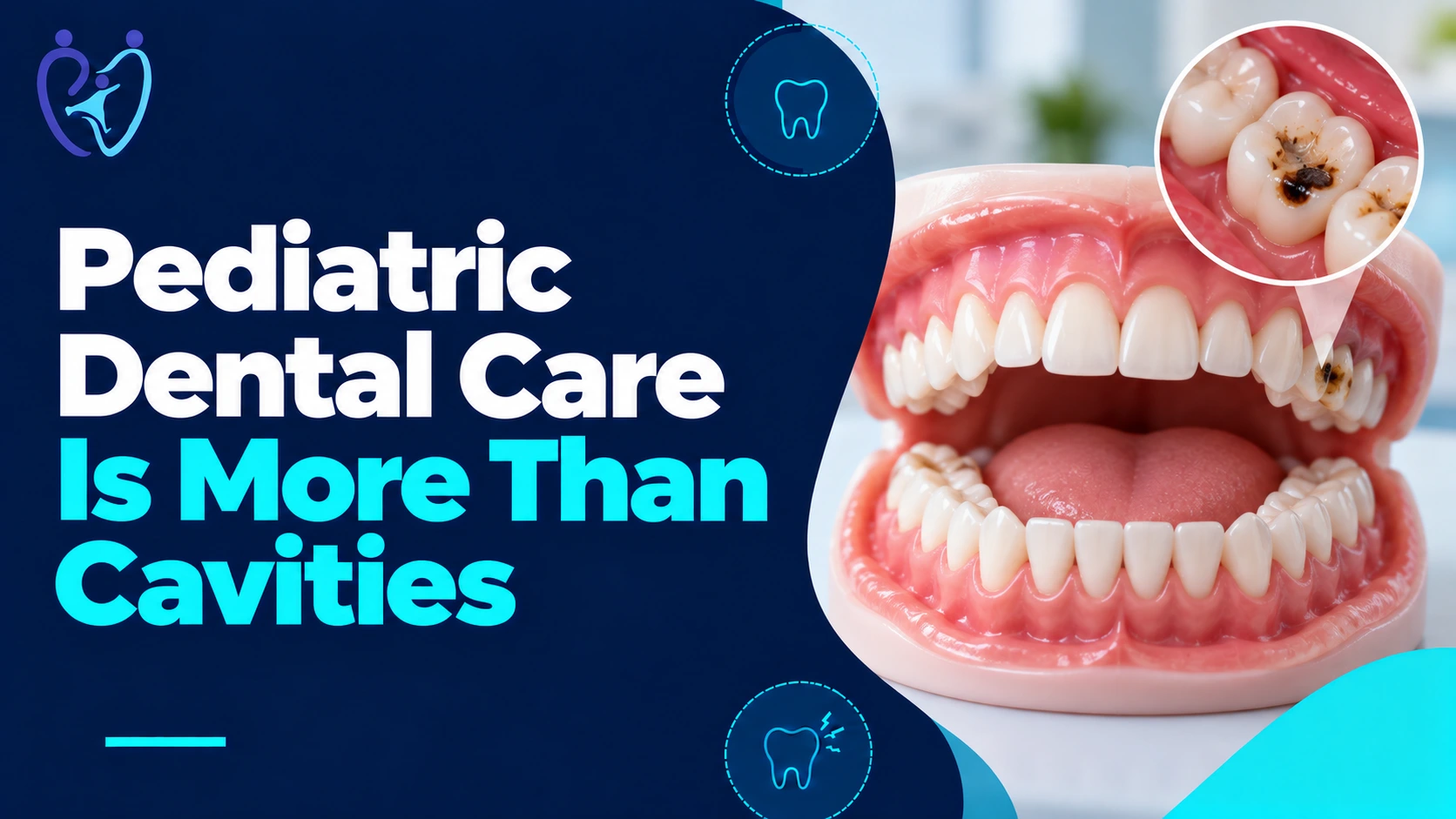
Many parents only think about visiting their children's dentist when they tell them that their teeth are hurting, or when they can see a cavity. Modern children's dentistry takes a much wider view. A pediatric dentist can monitor oral development, hygiene, habits, gums, bite changes and a child's comfort with dental care, helping parents address concerns before they become more difficult to manage.
The shift is simple: instead of waiting for something to hurt, children's dental care increasingly focuses on prevention, development and building healthy habits that can continue as the child grows.
Children’s Dentistry Is No Longer Only About Treating Cavities
While preventing cavities is still a crucial component in a kid's oral hygiene routine, they’re not the only thing to consider.
The traditional approach concerning dentistry would go something like this: a tooth had some sort of issue, the child complained, and then treatment was administered. The goal of preventive paediatric dentistry is to detect a risk early.
Regular visits allow the dentist to compare changes in the mouth from one visit to another. This may involve examining tooth eruption and cleanliness, as well as gum condition and alterations in the child's bite.
Preventive care can also provide parents with practical advice at the appropriate time before symptoms occur.
For instance, a parent may have very different queries for a 3-year-old as compared to when the child starts to get permanent teeth at school.
What Does a Paediatric Dentist Actually Monitor?
A dental examination for a child can involve much more than looking for decay.
Teeth
The dentist checks the condition of both primary and permanent teeth, depending on the child's age.
This may include watching for:
- Early signs of tooth decay
- Unusual tooth wear
- Damaged or chipped teeth
- Changes in tooth eruption
- Areas that may be difficult to clean
- Previous restorations that need monitoring
Finding an issue early does not automatically mean treatment is required immediately. The appropriate approach depends on the child's individual dental condition and risk.
Gums
Healthy teeth also depend on healthy surrounding tissues.
The dentist may check for redness, swelling, bleeding or plaque accumulation and help parents and children improve brushing around areas that are commonly missed.
Oral Habits
Children may develop habits such as thumb sucking, finger sucking, prolonged pacifier use or other repetitive oral behaviours.
Not every habit immediately creates a dental problem. However, its duration, frequency and intensity can matter as a child's jaws and teeth develop.
A kids dentist can help parents understand whether a habit simply needs monitoring or whether it may be worth addressing.
Developing Bite
The way the upper and lower teeth meet changes considerably during childhood.
A dentist may monitor:
- Crowding
- Spacing
- Crossbites
- Teeth erupting in unexpected positions
- Jaw and bite development
Monitoring these changes over time can help identify when further assessment may be appropriate.
Oral Hygiene
Children gradually become more independent with brushing, but independence does not always mean effective cleaning.
A dental visit can reveal which areas the child consistently misses and whether parents still need to supervise or assist with brushing.
Dental Anxiety and Comfort
A child's emotional response to dentistry matters too.
Regular, calm dental experiences can help children become familiar with the environment, equipment and routine of an examination without every visit being associated with pain or urgent treatment.
Prevention Begins Before a Child Complains of Pain
Pain is often a late signal rather than the best time to begin thinking about oral health.
Preventive dental care aims to reduce avoidable problems by looking at risk factors before significant symptoms develop.
Depending on the child's needs, preventive discussions may cover:
- Brushing technique
- Age-appropriate toothpaste use
- Frequency of sugary snacks and drinks
- Cleaning between teeth
- Fluoride-based preventive care where appropriate
- Protective measures for teeth at higher risk of decay
- Dental injury prevention
- Regular monitoring according to individual risk
Professional paediatric dental guidance recommends early preventive care and ongoing assessment based on each child's individual needs.
This is one reason parents should not consider a pain-free child automatically free from dental concerns.
Oral Habits Can Matter as Children Grow
Parents often ask about thumb sucking, pacifiers, mouth breathing, nail biting and other habits.
The big question is not "Does my child do this?”
It is:
Is the habit continuing long enough or frequently enough to influence oral development?
Some habits disappear naturally as children grow. Others may continue during important stages of dental and jaw development.
Parents can talk to a child about it when they are at their usual appointments instead of attempting to scare them or abruptly end a habit. Dentists may take the child's age, dental development and nature of the habit into consideration prior to recommending the next step.
The importance of anticipatory guidance for oral habits and dental development is acknowledged as paediatric dentistry prevention.
Why Does the Development of Permanent Teeth Need Attention?
Baby teeth falling out and adult teeth coming in is a major transition, and not one to take lightly.
Children in the mixed-dentition stage will have some primary and permanent teeth. Permanent teeth can grow in behind, beside or between the original teeth and maintaining cleanliness on all surfaces may be more challenging.
This is also when parents may start noticing:
- Crowded teeth
- Large gaps
- Teeth coming through at unusual angles
- Differences between the left and right side
- Difficulty brushing newly erupted molars
Some of the changes are normal developmental changes, others may require monitoring.
A pediatric dentist will be able to monitor these changes during visits, instead of relying on one moment in the child's development to make a determination about the bite.
This ongoing monitoring can be even more helpful as children's mouths change rapidly.
Dental Visits Can Also Shape a Child's Attitude Towards Dentistry
Children not only remember what transpired during a dental visit. They often recall feelings about the experience.
If a child's first meaningful experience with dentistry happens during severe pain, swelling or an emergency, the visit may naturally feel more stressful.
Everyday check-ups for prevention can be different. They enable children to become familiar with the dental chair, opening their mouth for an inspection, and speaking with the dental staff, without any urgent concerns.
Even normal preventive measures can be useful to help ease young or nervous children into the dental environment.
The goal isn't to make promises that every child will enjoy their dental visit. Needs vary from child to child, as some take longer and require more reassurance.
The idea is to familiarise people with dental care instead of it only being seen when it is too late.
Parent Age and Stage Checklist
Dental priorities change as children grow. Parents can use the following broad checklist to understand what may deserve attention at different stages.
Early Childhood
Watch for:
- First teeth erupting
- Brushing habits
- Frequent sugary snacks or drinks
- Thumb or pacifier habits
- Falls or injuries affecting the front teeth
- Early signs of decay
Professional paediatric dental guidance recommends establishing dental care early, with the first dental visit around the eruption of the first tooth and no later than the first birthday.
School Years
Pay attention to:
- Increasing independence with brushing
- Newly erupting permanent teeth
- Hard-to-clean back teeth
- Dental injuries during play or sport
- Changes in spacing or alignment
Children may still need parental supervision even when they insist they can brush by themselves.
Mixed Dentition
This is the stage when baby teeth and permanent teeth are present together.
Parents may notice:
- Teeth erupting at different angles
- Temporary gaps
- Crowding
- Loose primary teeth
- New permanent molars
Regular assessment can help distinguish expected developmental changes from concerns that deserve closer monitoring.
Older Children
As children become more independent, parents may need to watch different behaviours.
These can include:
- Inconsistent brushing
- Increased snacking
- Sugary or acidic drinks
- Orthodontic concerns
- Sports-related dental risks
- Appearance-related worries about their smile
Oral health advice should evolve with the child's age rather than remaining the same throughout childhood.
What Should Parents Ask During a Routine Dental Visit?
Parents do not need to wait until something is visibly wrong to ask useful questions.
Consider asking:
- Is my child brushing effectively?
- Are there areas we repeatedly miss?
- Is the bite developing as expected?
- Are all permanent teeth erupting normally?
- Does my child's oral habit need attention?
- Is my child at higher risk of cavities?
- Are there preventive measures we should consider?
- How often should my child be reviewed?
- Is there anything we should watch between appointments?
If you have recently searched for a pediatric dentist nearby, these are useful questions to bring to the appointment. They shift the conversation from simply asking whether there are cavities to understanding the child's overall oral development.
Think Beyond the Next Cavity
A cavity can be treated, but children's dentistry should not begin and end with finding decay.
The greater opportunity is to observe the development of a child's teeth, gums, bite, habits and hygiene over a number of years. Preventive visits also provide parents with an opportunity to ask questions before concerns become too big or to make all dental choices during an emergency.
At Dr. Pol's Dental Clinic, we approach children's dental care with this preventive perspective. As a pediatric dentist, I don't just treat an existing dental problem, I also educate parents on the various stages of their child's oral health, habits and development.
If you are searching for a kids dentist or you have any questions about your child's teeth, bite, brushing or comfort, you can book an appointment with us at Kharghar! We are able to identify the child's individual needs and discuss what needs to be addressed, what can be monitored and what can be addressed by parents at home.
Frequently Asked Questions
1. Does my child need a dental visit if there is no tooth pain?
Yes. Dental visits are useful even when a child has no pain because preventive examinations can assess teeth, gums, hygiene, oral habits and development. The appropriate frequency of visits can vary according to the child's individual dental needs and risk.
2. At what age should preventive dental care start?
Professional paediatric dental guidance recommends that children establish dental care around the time the first tooth erupts and no later than their first birthday. Early appointments are primarily about prevention, parental guidance and identifying potential risks.
3. Why does a dentist monitor baby teeth if they eventually fall out?
Primary teeth still play important roles during childhood. They help children chew and speak and occupy space while the permanent dentition develops. Problems affecting primary teeth can therefore still deserve professional assessment.
4. When should parents be concerned about thumb sucking?
The significance of thumb sucking depends on factors such as the child's age, how frequently the habit occurs and how strongly the child sucks. If the habit continues as the teeth and bite develop, discuss it with your child's dentist rather than relying on age alone.
5. Should parents still help school-age children brush?
Many children want to brush independently, but some may still miss difficult areas. Parents can continue observing brushing and provide assistance where needed until the child consistently demonstrates effective cleaning.
6. Can a dentist tell whether my child will eventually need braces?
A dentist can monitor tooth eruption, spacing, crowding and bite development as a child grows. However, whether orthodontic treatment will be needed, and when it should begin, depends on the child's individual development and clinical assessment.
7. How do I choose a pediatric dentist nearby for my child?
Look beyond location alone. Consider the dentist's paediatric training, approach to preventive care, ability to communicate with children and parents, and whether the clinic provides ongoing monitoring as the child's teeth and bite develop.
