
The Hidden Sugar In Everyday Foods That Is Damaging Your Childs Teeth
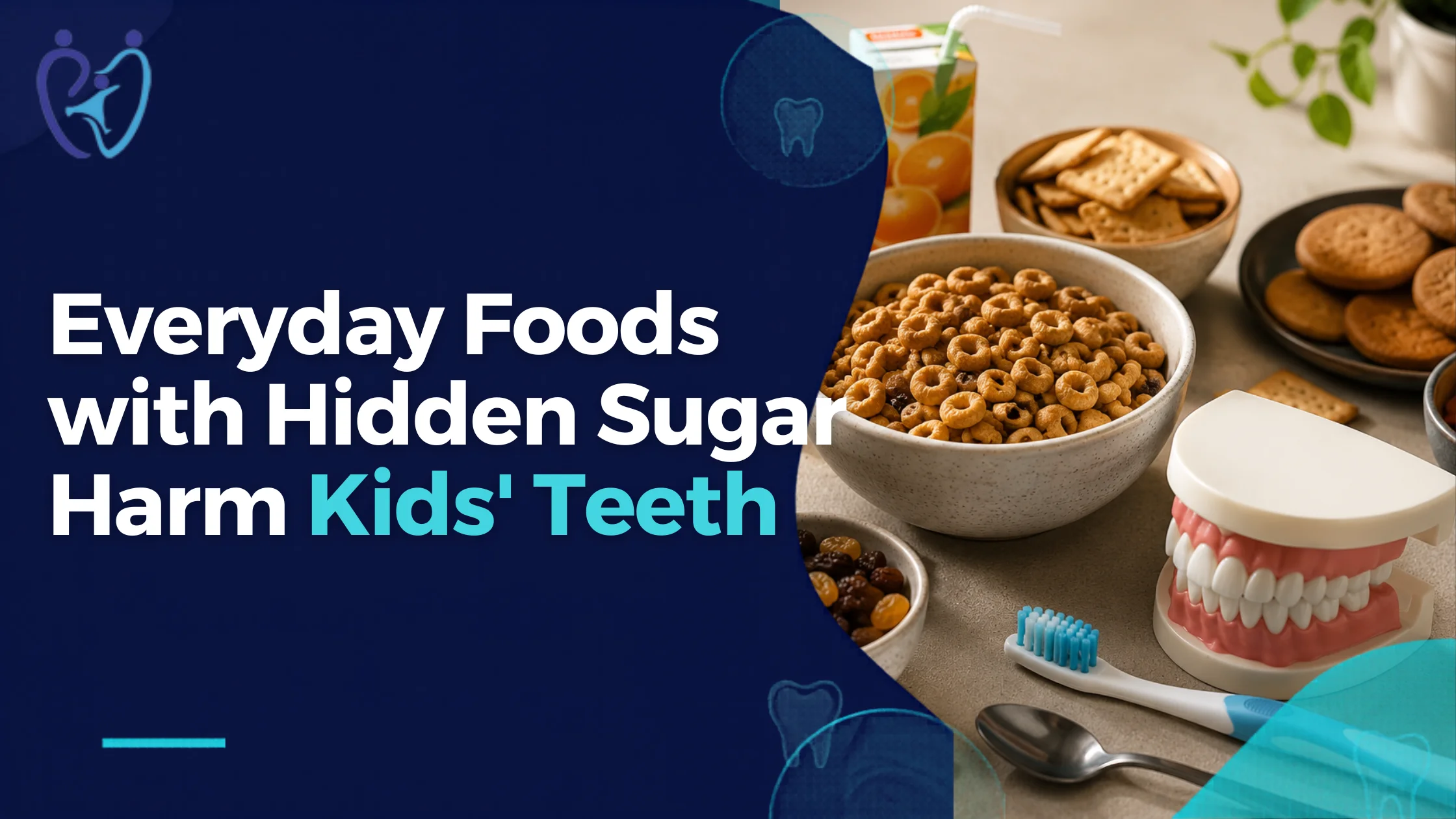
You checked the label. No added sugar. You felt good about it.
That's the trap most parents fall into, and it's not their fault. Food packaging is designed to look responsible without being fully honest. The foods causing the most damage to your child's teeth right now are probably not the ones you'd guess. They're not the obvious ones.
They're the breakfast items, the after-school snacks, the drinks you've filed under "healthy." Parents who visit a dental clinic in Kharghar regularly are often shocked when their child shows signs of decay despite having what looked like a clean diet.
Sugar Doesn't Always Taste Sweet
That's the part nobody warns you about.
Bread. Crackers. Flavoured yogurt. Ketchup. Fruit juice. Biscuits marketed as "whole grain" or "digestive." These are not candy. They don't taste like candy. But inside the mouth, the bacteria that cause tooth decay don't care whether the sugar came from a chocolate bar or a bowl of cornflakes. Both get broken down the same way, producing the same acid, sitting on the same enamel.
The damage isn't just about how much sugar your child eats. It's about how often, and for how long that sugar stays in contact with the teeth.
The Foods Parents Trust That Cause The Most Damage
Packaged Fruit Juices And "Health" Drinks
A 200ml box of packaged fruit juice, the kind sold as a school tiffin staple, contains roughly 20 to 25 grams of sugar. That's close to what you'd find in a small chocolate bar. The difference is that juice is liquid. It coats every surface in the mouth, pools between the teeth, and reaches the gumline in ways solid food doesn't.
The "no added sugar" label means the manufacturer didn't pour sugar into it separately. It says nothing about the natural sugar content, which is already high. Juice is fruit with the fibre removed. The fibre is the part that slows sugar absorption. Without it, you're left with concentrated sweetness and no structural protection.
Flavoured Yogurt
Plain yogurt is genuinely fine. But flavoured yogurt, including most brands sold in child-friendly packaging with cartoons and fruit pictures, has significant added sugar. Some popular variants carry 15 to 18 grams per small cup. Given that children often eat these as a "healthy snack" multiple times a week, the cumulative exposure is high.
The acid from flavoured dairy products adds a second layer of damage. Sugar feeds the bacteria; the acid from the food itself erodes enamel directly. Both mechanisms run at the same time.
Biscuits, Rusks, And Crackers
These are the ones that catch most parents off guard.
Starchy foods like crackers, digestive biscuits, and rusks break down into simple sugars in the mouth almost immediately. They also stick. A biscuit crumb wedged in the groove of a molar can sit there for an hour if a child doesn't rinse or brush. Every minute it sits, the bacteria are working.
Rusks given to teething babies are one of the leading early causes of enamel damage in infants. They're soft enough to feel safe, but starchy enough to cause real harm when given frequently.
Breakfast Cereals
Check the sugar content on the next cereal box in your kitchen. Most popular children's cereals, including the ones with "whole grain" on the label, contain between 8 and 12 grams of sugar per serving. And that's before the milk. The meal most children eat to start the day is often one of the highest-sugar things they consume.
The timing makes it worse. Breakfast is usually rushed. Brushing happens before eating, not after. So the child leaves for school with sugar sitting on freshly cleaned teeth for the next four to six hours.
Dry Fruits
Raisins, dates, dried apricots, dried mango. Marketed widely as natural and healthy, and in many ways they are. But dried fruit is intensely concentrated in sugar, and it sticks to the surface of teeth in a way fresh fruit does not. The stickiness keeps the sugar in contact with enamel far longer than eating a fresh piece of fruit would.
A small box of raisins, which looks harmless, can cause as much enamel exposure as eating several teaspoons of table sugar if the child doesn't rinse or brush afterward.
What Actually Causes The Decay, The Acid Cycle?
Understanding the mechanism makes the problem clearer.
Every time your child eats or drinks something that contains sugar or starch, the bacteria in their mouth start producing acid within about two minutes. That acid attack lasts for roughly 20 to 30 minutes. After that, saliva starts to neutralise it and the mouth begins to recover.
The problem is frequency. Five small snacks across the day means five separate acid cycles. If the child is also sipping juice or nibbling crackers in between, the mouth never gets a real recovery window. The enamel is under acid attack for most of the waking hours.
This is why a child who eats mostly "healthy food" but grazes constantly through the day can have worse decay than a child who eats something sweet once and then stops.
What to do differently:
- Fix meal times and limit snack windows, two to three defined eating occasions per day, with water between them
- Switch from juice to whole fruit, the fibre slows sugar release and the physical act of chewing stimulates saliva
- Water after every snack, not a substitute for brushing, but it rinses the mouth and cuts the acid contact time
- Read the sugar content, not just the label claims, "no added sugar" and "low fat" tell you very little about actual sugar content
- Don't give sticky foods as snacks without an immediate rinse, dry fruits, biscuits, and crackers are worst when eaten between meals with no rinse following
The Enamel Problem Specific To Children
Baby teeth have thinner enamel than adult teeth. That's not a flaw in the design, it's just the reality of smaller, younger teeth. The consequence is that decay progresses faster in children than adults, and the damage from acid exposure accumulates more quickly.
A parent might notice nothing wrong for months because early decay doesn't look like a hole. It starts as a dull white patch near the gumline, easy to miss unless you're looking for it. By the time it's visually obvious, it's already past the reversible stage.
This is the reason early and regular dental check-ups matter as much as diet. A dentist can catch enamel erosion or early decay in a stage where treatment is still simple. Left alone, the same decay becomes a filling, a crown, or an extraction, all of which are more stressful for a child and more expensive for a family.
Families coming to our dental clinic in Kharghar regularly hear this: diet changes help, but they don't replace the check-up. Both need to happen.
Conclusion
Cutting out every source of hidden sugar is not realistic. Children eat at birthday parties, at school, at relatives' houses. The goal isn't a perfect diet. The goal is reducing the frequency and duration of sugar exposure, and making sure that brushing and rinsing happen consistently after the main meals.
A child who eats a biscuit and then drinks water is in better shape than a child who eats biscuits slowly through the afternoon. That's the practical version of this.
At home, the habits that make the most difference:
- Brush twice a day, morning after breakfast, and at night before bed
- Nothing except water after the bedtime brush
- Limit juice to once a day at most, with a meal, not as a sipping drink
- Check labels on anything marketed as a children's snack, the sugar content is almost always higher than it looks
If your child's last dental check-up was more than six months ago, or if you've noticed any white spots, sensitivity, or changes in how they eat, it's worth booking a visit.
At Dr. Pol's Dental Clinic, a trusted dental clinic in Kharghar, Navi Mumbai, Dr. Sanmati Pol and her team work with children across all age groups with a gentle, preventive approach. Reach out on WhatsApp or call +91-9987935958 to schedule your child's appointment.
FAQs
1. Which everyday foods contain hidden sugars that can harm children's teeth?
Many everyday foods, including flavoured yoghurt, breakfast cereals, packaged fruit juices, biscuits, crackers, rusks, and dried fruits, can contain significant amounts of sugar or starch that contribute to tooth decay when consumed frequently.
2. Is fruit juice healthier for my child's teeth than soft drinks?
Although fruit juice contains vitamins, it is still high in natural sugars and acids that can contribute to enamel erosion and cavities. Offering whole fruit instead of juice and encouraging water between meals is generally a more tooth-friendly option.
3. Why does frequent snacking increase the risk of tooth decay?
Every time a child eats sugary or starchy foods, bacteria in the mouth produce acids that attack the teeth for around 20 to 30 minutes. Frequent snacking means these acid attacks happen repeatedly, giving the teeth little time to recover.
4. How can parents reduce the impact of hidden sugars on their child's teeth?
Parents can help by serving meals and snacks at regular times, encouraging water instead of sugary drinks, choosing whole fruits over juices, reading nutrition labels carefully, and ensuring children brush twice daily with fluoride toothpaste.
5. How often should children visit the dentist to monitor tooth decay?
Regular dental check-ups every six months help detect early signs of decay, monitor oral development, and provide preventive care before small problems become more complex treatments.
