
White Or Brown Spots On Your Childs New Adult Teeth? Heres What They Could Mean
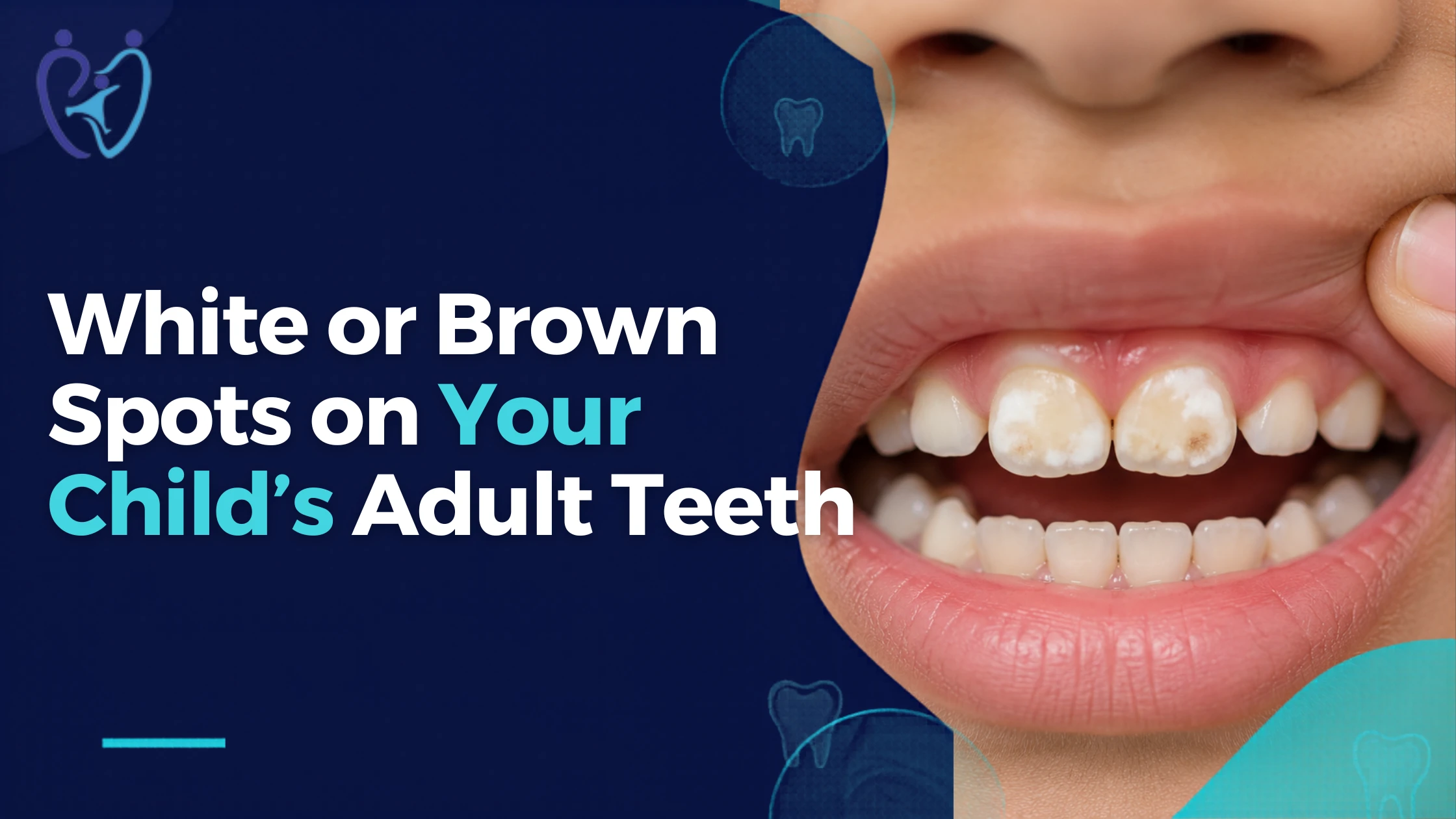
When a child's permanent teeth start coming in, parents tend to notice every detail. So, a bright white patch on a new front tooth or a brown mark on a newly erupted molar can be worrying.
The first thought is often tooth decay. But that isn't always the explanation. Permanent teeth can erupt with colour differences because of the way their enamel developed, and some marks need more attention than others. If something looks unusual from the day the tooth appears, getting it checked by a pediatric dentist in Kharghar can clear up what you're actually looking at.
The Colour Is Only Part Of The Story
A dentist won't usually look at a brown spot and immediately call it a cavity. Where the mark is, when it appeared and what the enamel feels like matter too.
Say a permanent front tooth erupts with a clearly defined creamy-white patch. That is quite different from a tooth that looked normal for months and then developed a dull white area close to the gumline.
Parents can keep an eye on a few things before the appointment:
- Was the mark already there when the tooth erupted?
- Is it on one tooth or several?
- Does the enamel look smooth, rough or chipped?
- Has the colour changed?
- Does your child avoid cold foods or complain while brushing?
Those observations can be surprisingly useful during a dental examination.
Why Can A New Tooth Have A White Patch?
Sometimes the enamel hasn't mineralised evenly while the permanent tooth is developing beneath the gums. Once that tooth erupts, the difference becomes visible.
One condition dentists may consider is molar incisor hypomineralisation, or MIH. It usually affects one or more first permanent molars and can also involve the permanent incisors. Depending on the tooth, affected enamel may look creamy white, yellow or brown.
The bigger concern isn't necessarily the colour.
Some affected enamel is weaker or more sensitive than normal enamel. A child may find cold water uncomfortable, complain when brushing or begin chewing on the other side without explaining why.
This is where an examination by a kids dentist becomes useful. Two patches that look similar in the bathroom mirror may behave very differently once the enamel is examined properly.
And What About Brown Spots?
Brown doesn't automatically equal decay.
A permanent tooth can erupt with a yellow-brown or brown area when the enamel has developed differently. Deep grooves in molars can also collect stains and look dark.
Of course, cavities can appear brown too.
The difference can't reliably be judged from colour alone. Dentists also look for changes in the tooth surface, plaque accumulation, softened enamel and actual loss of tooth structure.
If a brown patch is getting larger, the surface seems to be breaking or your child has started complaining about that tooth, don't wait for it to become painful before arranging an examination.
Could It Be Dental Fluorosis?
Fluorosis is another possible explanation for white changes in permanent enamel. It develops when a child receives too much fluoride while the permanent teeth are still forming.
Mild cases may appear as faint white lines or patches, often involving several teeth rather than one isolated spot.
The timing gives an important clue. Fluorosis develops before eruption. So, if a tooth came through looking normal and a white area appeared considerably later, a pediatric dentist in Kharghar would need to consider other possible causes.
Watch How Your Child Uses The Tooth
Children don't always announce tooth sensitivity. Sometimes their behaviour gives it away first.
A child may brush one side quickly, refuse ice cream that never bothered them before, chew on the opposite side or say a new molar "feels funny".
Pay more attention if you notice:
- Pain during brushing
- Sensitivity to hot, cold or sweet foods
- Chipping around the discoloured area
- A patch becoming darker
- Difficulty chewing
- Swelling or persistent toothache
A kid's dentist can check whether the enamel is stable or whether the tooth would benefit from preventive protection or treatment.
Does Every Spot Need Treatment?
No, and this is where parents can save themselves some unnecessary worry.
Some enamel differences simply need to be monitored. Others may need preventive care, particularly when the tooth is sensitive or the enamel is more vulnerable to breakdown. If tooth structure has already been lost, restorative treatment may be considered.
There isn't one standard fix for "white spots" or "brown spots". The cause comes first.
Until the tooth has been examined, trying whitening products, scrubbing the area harder or assuming it will disappear isn't a sensible approach. Newly erupted permanent teeth deserve a little patience.
Give That New Tooth A Proper Check
A strange-looking patch doesn't necessarily mean something serious is wrong. It does, however, deserve attention if the colour was present at eruption, is changing, or comes with sensitivity or enamel breakdown.
Dr. Pol's Dental Clinic provides children's dental care in Kharghar, including preventive and restorative care. Parents who notice unusual white or brown areas on their child's permanent teeth can visit the clinic for an assessment and guidance based on what the tooth actually needs.
FAQs
1. Is a white spot on a new permanent tooth a cavity?
Not necessarily. It may be related to enamel development, fluorosis or mineral loss. A dental examination is the safest way to tell the difference.
2. Why is my child's new adult tooth slightly yellow or brown?
Some permanent teeth erupt with yellow or brown areas because the enamel developed differently. Staining and tooth decay can also cause darker areas, which is why colour alone isn't enough for a diagnosis.
3. Can weak enamel hurt even when there is no cavity?
It can. Certain enamel defects may make a tooth sensitive to brushing, cold drinks or particular foods even without a typical cavity.
4. Should a painless white or brown spot still be checked?
Yes, especially when the mark was visible as soon as the permanent tooth erupted or has started changing. A pediatric dentist in Kharghar can examine the enamel before discomfort develops.
5. What should parents do until the dental appointment?
Keep the tooth clean with gentle, regular brushing and watch for sensitivity, chipping or colour changes. If brushing the area hurts, mention that to the kids dentist during the visit rather than simply avoiding the tooth.
