
Why Healthy Teeth Can Still Develop Cavities: 7 Mistakes Most People Make
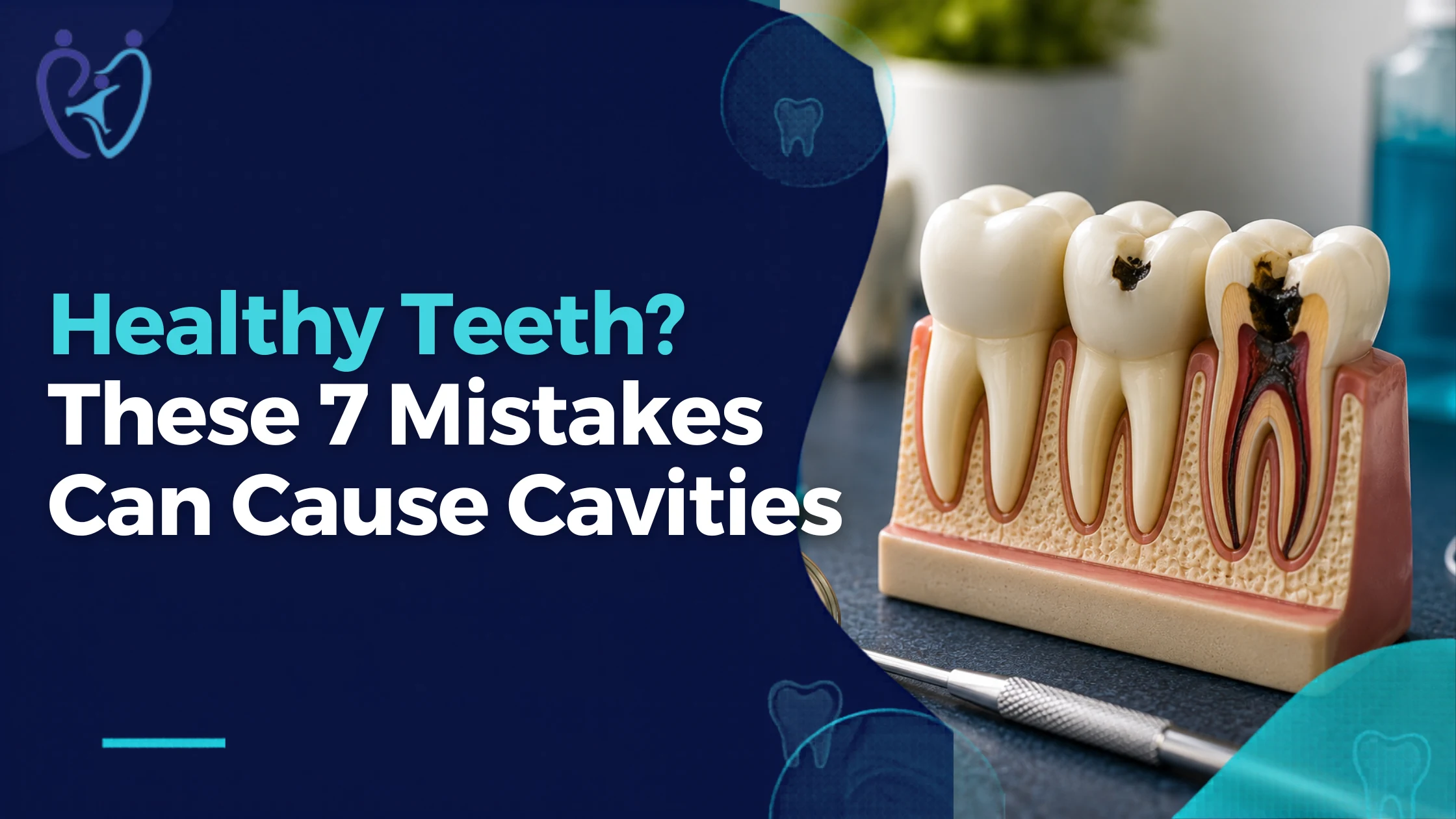
You brush every day. You don't eat much sugar. And yet, the dentist finds a cavity.
That moment of confusion is more common than you'd think. People who take their oral health seriously still end up with decay, and the reason is almost never the obvious one.
Patients visiting a dentist in Navi Mumbai regularly raise this exact concern. The teeth look fine. The routine feels solid. But the problem is usually hiding in the details of how that routine is done, not whether it's done at all.
The Mistakes Are Rarely Dramatic
Nobody wakes up and decides to neglect their teeth. The errors that cause decay in otherwise careful people are small, habitual, and very easy to overlook. That's what makes them difficult to fix, they don't feel like mistakes while you're making them.
Here are the seven that come up most often.
1. Brushing Right After Eating
This one trips up a lot of people who are actually trying to do the right thing.
After eating, especially acidic foods or drinks, the enamel on your teeth is in a temporarily softened state. Brushing at that moment, even gently, causes micro-abrasion. Over months and years, this wears the enamel down faster than decay would on its own.
The fix is waiting 30 minutes after a meal before brushing. Rinsing with plain water immediately after eating is fine. Brushing can wait.
2. Not Brushing Long Enough
Two minutes is the standard. Most people brush for 45 seconds.
That's not an insult, it's just what studies on brushing duration consistently show. Forty-five seconds feels like two minutes when you're doing it. The back molars, the inner surfaces of the lower front teeth, and the gumline get a fraction of the attention the front teeth do. Decay starts where the brush doesn't reach.
A simple fix: use a timer. Phones work fine. Two minutes is longer than it feels.
3. Skipping The Night Brush
Morning brushing is important. Night brushing is more important.
During the day, saliva flow is active. It rinses the mouth, neutralises acid, and gives teeth some natural protection. At night, saliva production drops significantly. Whatever is left on the teeth when you go to sleep, food particles, sugar residue, bacteria, sits there for seven or eight hours with almost no natural defence working against it.
If you're only going to brush once, brush at night. Though brushing once is never the recommendation.
4. Brushing Too Hard
Aggressive brushing feels thorough. It isn't.
Hard bristles and heavy pressure don't remove plaque better than soft bristles and gentle pressure. Plaque is soft. It comes off easily. What heavy brushing does remove is gum tissue and enamel, both of which don't grow back. Gum recession exposes the root surface of the tooth, which has no enamel covering it and decays significantly faster.
Soft-bristled brush. Light pressure. Let the bristles do the work.
5. Not Flossing, Or Flossing Wrong
A toothbrush cleans roughly 60% of the tooth surface. The remaining 40% is between the teeth, where the bristles simply cannot reach. Cavities between teeth are among the most common and the hardest to spot early, because they're invisible to the naked eye and don't cause symptoms until they've progressed.
Flossing wrong is nearly as common as not flossing. The floss needs to curve around the tooth in a C-shape and slide under the gumline, not just snap between the teeth and come back out. Done correctly, it takes about 90 seconds. Done incorrectly, it catches the food but misses the plaque.
6. Using Mouthwash As A Replacement, Not A Supplement
Mouthwash is not a substitute for brushing or flossing. It's a supplement, a useful one, but a supplement.
The problem is that many people rinse with mouthwash after brushing, which washes away the fluoride from the toothpaste before it has time to work. If you use mouthwash, use it at a separate time, mid-morning or after lunch, not immediately after brushing.
7. Skipping Dental Check-Ups When Nothing Hurts
This one is the most expensive mistake on the list.
Cavities don't hurt in the early stages. By the time a tooth is sensitive or painful, the decay has already reached deeper layers of the tooth. What would have been a simple filling becomes a larger filling, a root canal, or worse. The tooth gave no warning because enamel has no nerve endings. You feel nothing until the decay hits dentine, and by then it's a bigger problem.
A check-up every six months catches decay before it reaches that stage. The visit is short, the intervention is minimal, and the cost is far lower than treating advanced decay.
Most patients who walk into our dentist in Navi Mumbai clinic with a painful tooth would have needed a much simpler procedure if they'd come in six months earlier. That's not a criticism, most people just genuinely didn't know.
The Pattern Across All Seven
None of these mistakes require bad intentions or a bad diet. They're the product of incomplete information and habits that were never quite right to begin with. The good news is that all seven are fixable, and fixing them doesn't require expensive products or major lifestyle changes.
The one thing that catches what no home routine can: a professional check-up. A dentist in Navi Mumbai can spot early enamel erosion, early-stage decay between the teeth, and gum changes long before they become symptoms. That's the gap no brush or floss fully closes.
If it's been more than six months since your last visit, or if any of these seven habits sound familiar, now is a good time to book an appointment.
At Dr. Pol's Dental Clinic in Kharghar, Navi Mumbai, the team offers thorough check-ups for the whole family in a clean, professional environment. Call +91-9987935958 or reach out on WhatsApp to schedule your visit.
FAQs
1. Why do I still get cavities even though I brush every day?
Daily brushing is essential, but cavities can still develop if plaque remains between the teeth, brushing technique is ineffective, flossing is skipped, or regular dental check-ups are missed. Oral hygiene habits and technique are just as important as brushing frequency.
2. Is it bad to brush my teeth immediately after eating?
Brushing immediately after consuming acidic foods or drinks may contribute to enamel wear. It is generally better to rinse with water first and wait around 30 minutes before brushing to allow the enamel to recover.
3. Why is brushing before bed so important?
During sleep, saliva production naturally decreases, reducing the mouth's ability to wash away bacteria and neutralise acids. Brushing before bed removes plaque and food debris, helping protect teeth overnight.
4. Can mouthwash replace brushing and flossing?
No. Mouthwash is designed to complement a good oral hygiene routine, not replace it. Brushing removes plaque from tooth surfaces, while flossing cleans between the teeth—areas that mouthwash alone cannot effectively reach.
5. How often should I visit the dentist if I don't have any pain?
Regular dental check-ups every six months allow dentists to detect cavities, gum disease, and other oral health concerns before symptoms develop. Early detection often leads to simpler, less invasive treatment and better long-term oral health.
