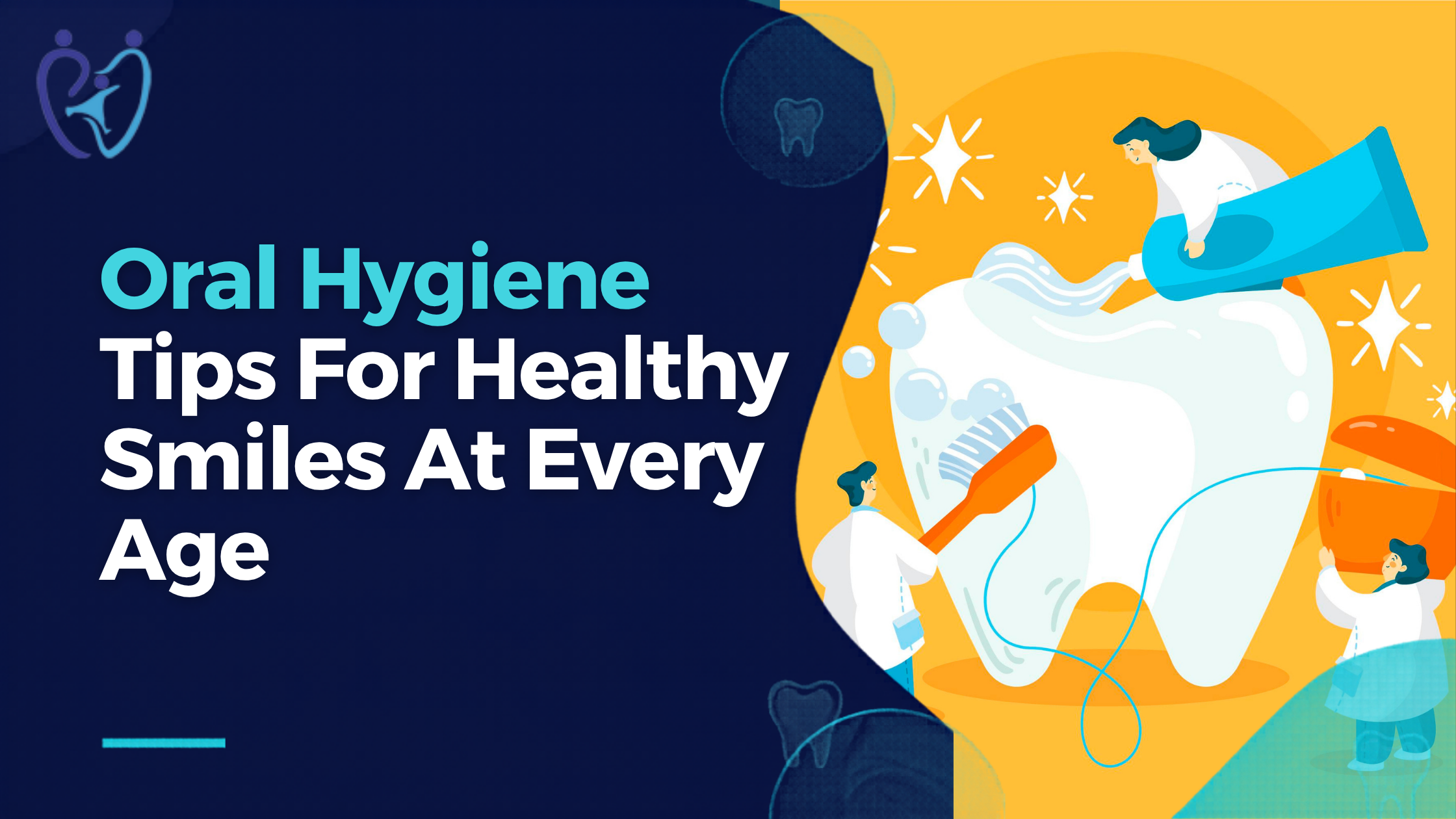
Oral Hygiene Tips For Healthy Smiles At Every Age
Brushing twice a day. Everyone knows that. Most people do it. And yet, tooth decay and gum disease remain two of the most common health problems in India.
Knowing the basics is not the same as practising them correctly. If you've ever wondered why cavities keep coming back despite regular brushing, or why your gums bleed occasionally, the answer is almost always in the details - the small daily habits that either protect your teeth or slowly damage them.
Whether you're a parent bringing your child to a dental clinic in Kharghar for the first time, or an adult who hasn't had a check-up in two years, this guide covers what actually matters at every stage of life.
The Habits That Most People Get Wrong
Brushing is not complicated. But the way most people brush is.
Pressing too hard is one of the most common mistakes. It feels like it's doing more work. It's not. Hard brushing wears away enamel and pushes gums back over time. The correct technique is small circular motions, light pressure, for at least two minutes.
The other one is timing. Brushing immediately after eating - especially after something acidic like citrus, tea, or cold drinks - is actually harmful. Acid temporarily softens enamel. Give it at least 30 minutes before you brush.
A few things that make a bigger difference than most people realise:
- Flossing daily - A toothbrush cleans only three surfaces of each tooth. Floss reaches the two surfaces it misses completely
- Tongue cleaning - Bacteria accumulate on the tongue and cause bad breath and reinfect the gums
- Rinsing after every meal - Even plain water reduces acid and food debris significantly
- Replacing your toothbrush - Every three months, or sooner if the bristles are frayed
None of these are difficult. Most people just skip them.
Oral Hygiene For Children - The Years That Matter Most
The habits a child builds before age ten largely determines their dental health as an adult. That's not an exaggeration.
For infants and toddlers, gum cleaning matters even before teeth appear. A soft wet cloth wiped along the gums after feeding removes milk residue that feeds bacteria. Once the first tooth comes in, a small soft-bristled brush with a rice-grain amount of fluoride toothpaste is appropriate.
For children between ages three and ten:
- Supervised brushing is important - children don't develop the coordination to brush properly on their own until around age seven or eight
- Limit sugary snacks and juices between meals, not just during meals
- Dental sealants on back molars (usually around age six) provide a physical barrier against cavities
- Regular check-ups every six months catch early decay before it spreads
One thing parents often miss: children who see a dentist regularly and have positive early experiences are significantly less likely to avoid dental care as adults. The fear most adults carry started in childhood.
Adults In Their 30s And 40s - What Changes
In your twenties, you can get away with inconsistent habits. In your thirties and forties, the body starts showing the accumulation.
Gum recession becomes visible. Enamel erosion from years of acidic food and drinks becomes noticeable as sensitivity. Old fillings start wearing down. These are slow processes and they don't hurt until they become serious.
The habits that become more important in this phase:
- Using a fluoride toothpaste - not whitening toothpaste which is often more abrasive and offers no cavity protection
- Watching for bleeding gums - occasional bleeding is not normal, it is early gum disease
- Night guards if you grind your teeth (many people don't know they do)
- Cutting down on acidic drinks like sodas and packaged juices
And honestly - getting a professional cleaning done. Home brushing removes plaque. It does not remove tartar, which is hardened plaque that only a dentist can clean. Tartar below the gumline is the primary driver of gum disease.
Older Adults - The Often Ignored Group
After sixty, dry mouth becomes a real concern, particularly for people on medications. Saliva is one of the mouth's natural defenses. Less saliva means faster decay. Staying well hydrated and using a saliva substitute if needed makes a meaningful difference.
Denture hygiene is its own category. Dentures need cleaning as carefully as natural teeth - bacteria accumulate on them the same way, and poorly cleaned dentures can cause oral infections.
The One Habit That Ties All Of This Together
Regular professional check-ups.
Home care handles most of daily maintenance. But there are things only a dentist can catch - decay between teeth, early gum recession, abnormalities in soft tissue. A six-monthly visit to a good dental clinic in Kharghar is not just about cleaning. It's about catching problems while they are still small.
The difference between a filling and a root canal is often just one skipped appointment.
If you are looking for a dental clinic in Kharghar that handles everything from children's first visits to adult preventive care and cosmetic treatments, Dr. Pol's Dental Clinic in Kharghar, Navi Mumbai, led by Dr. Sanmati, is a trusted option for families in the area.
Book your check-up today and take the first step toward a healthier smile.
FAQs
1. How often should I visit a dentist for a check-up?
Most people should have a dental check-up and professional cleaning every six months to help detect and prevent oral health problems early.
2. Is bleeding while brushing normal?
No. Bleeding gums are often an early sign of gum disease and should be assessed by a dentist if the problem continues.
3. When should children start visiting a dentist?
Children should ideally visit a dentist when their first tooth appears or by their first birthday to establish good oral health habits early.
4. Does flossing really make a difference?
Yes. Flossing removes plaque and food particles from areas between teeth that a toothbrush cannot effectively reach, helping reduce the risk of cavities and gum disease.
5. Does Dr. Pol's Dental Clinic provide preventive dental care in Kharghar?
Yes. Dr. Pol's Dental Clinic offers preventive dental services, routine check-ups, professional cleanings, children's dental care, and personalised oral hygiene guidance for patients of all ages.
